Premium Home &
Chimney Systems
Elevating home health and safety through advanced duct engineering, high-level HEPA extraction, and comprehensive chimney restoration across the Local area.
Precision Services in Local
We deploy high-output HEPA devices, UV purification, and full-spectrum chimney and fireplace safety checks to maximize efficiency and indoor comfort.
Air Duct Cleaning
Purge dust, mold spores, and trapped allergens from your entire duct network.
Dryer Vent Cleaning
Prevent structural fire hazards, cut drying times, and extend appliance lifespan.
Duct Replacement
Seal air leaks, replace crushed lines, and re-balance whole-home static pressure.
Chimney Sweeping
Remove highly flammable creosote buildup and restore safe draft flow.
Safety Inspections
Level 1, 2, and 3 video scanning to detect structural damage and flue cracks.
Masonry & Repairs
Expert tuckpointing, firebox rebuilding, and chimney crown leak resolution.
Caps & Flue Liners
Stainless steel caps to block rain and animals, plus custom flue relining.
Fireplace & Logs
Professional burner service, gas log installation, and aesthetic fireplace remodels.
The AtmoVex Standard
Guaranteed airflow improvements. Certified chimney safety. Transparent, premium flat rates for all Local customers with no surprises.
View Our GuaranteeAir Duct Restoration
High-CFM Negative HEPA Extraction in Local
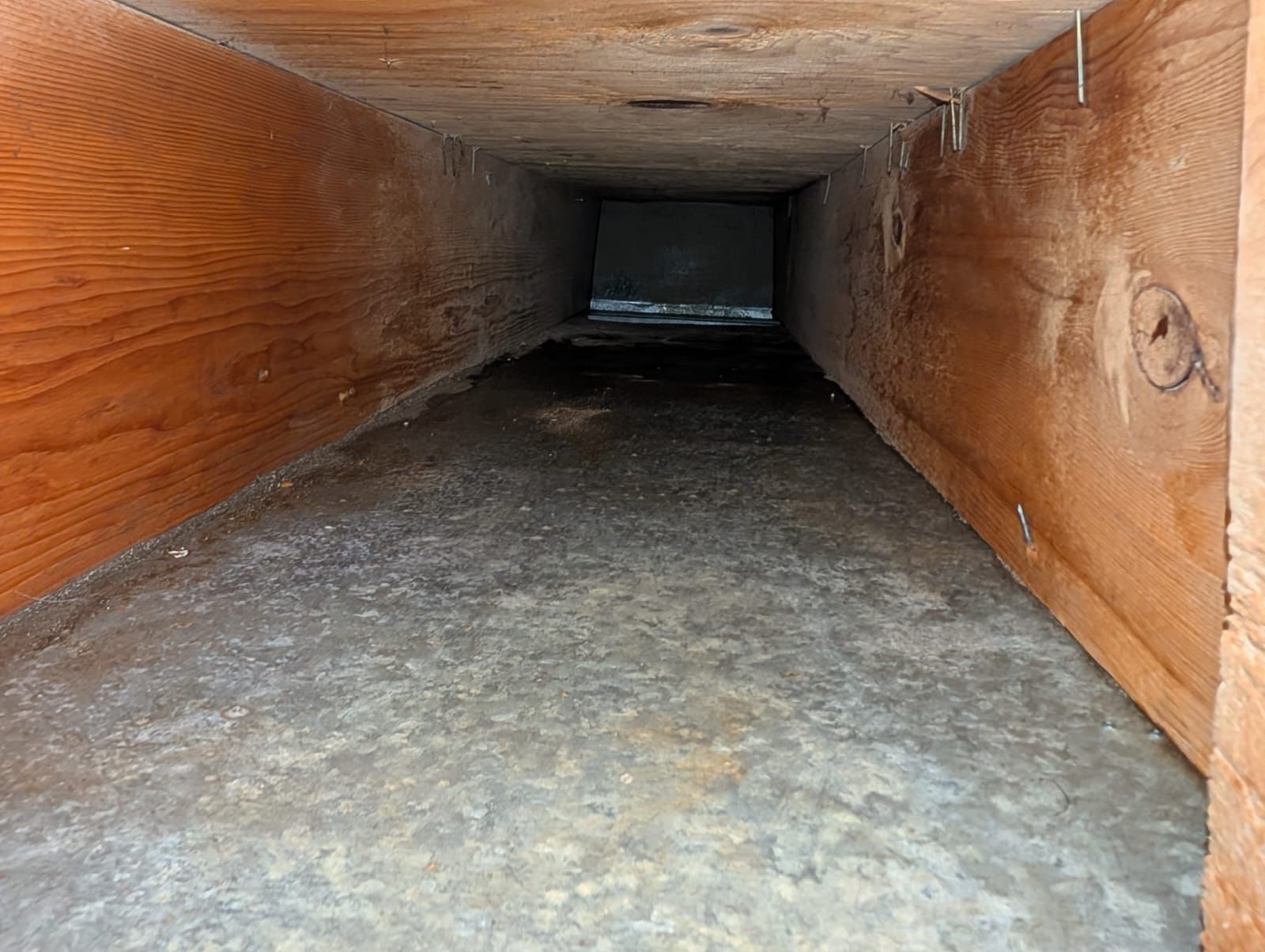
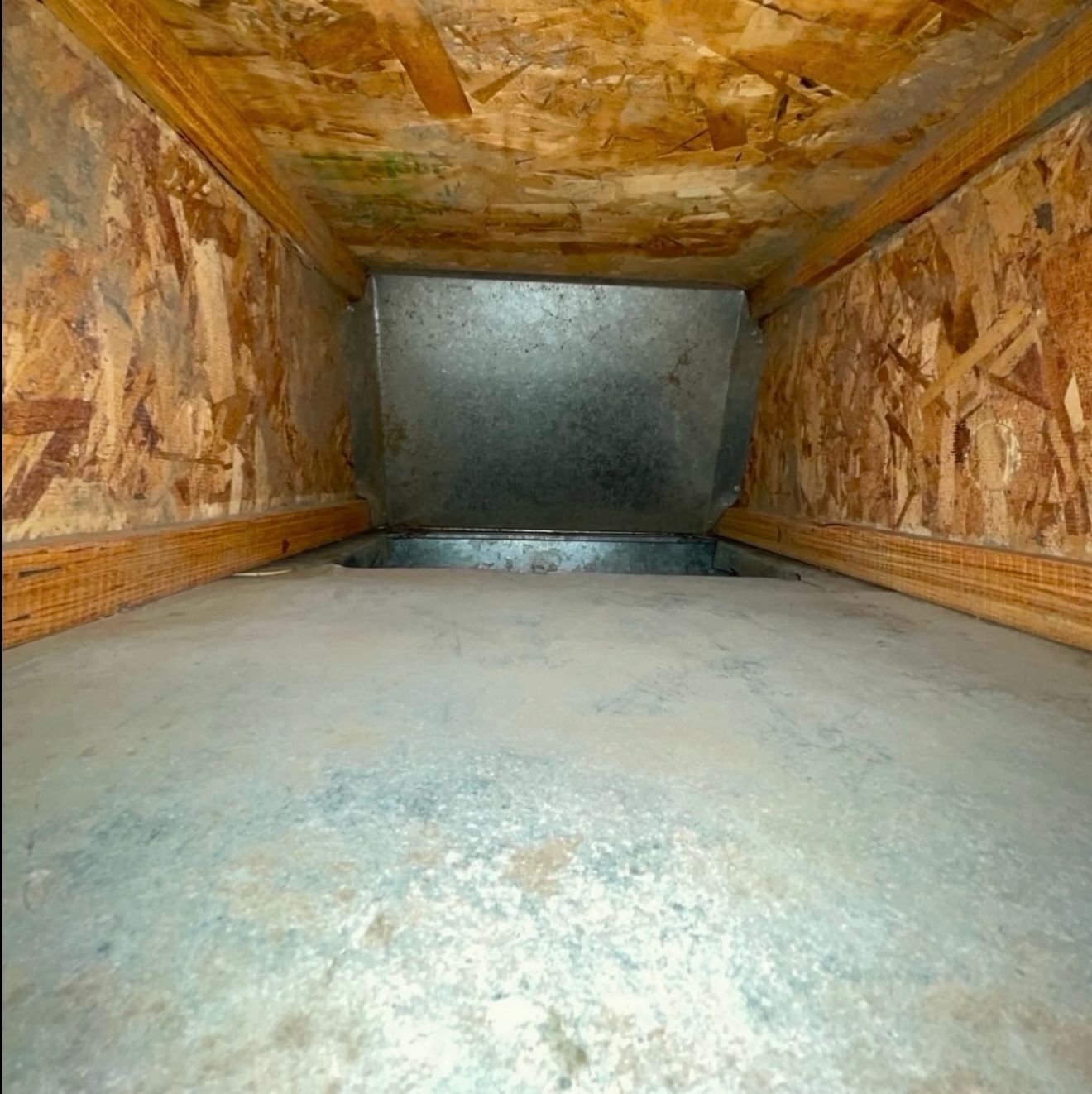
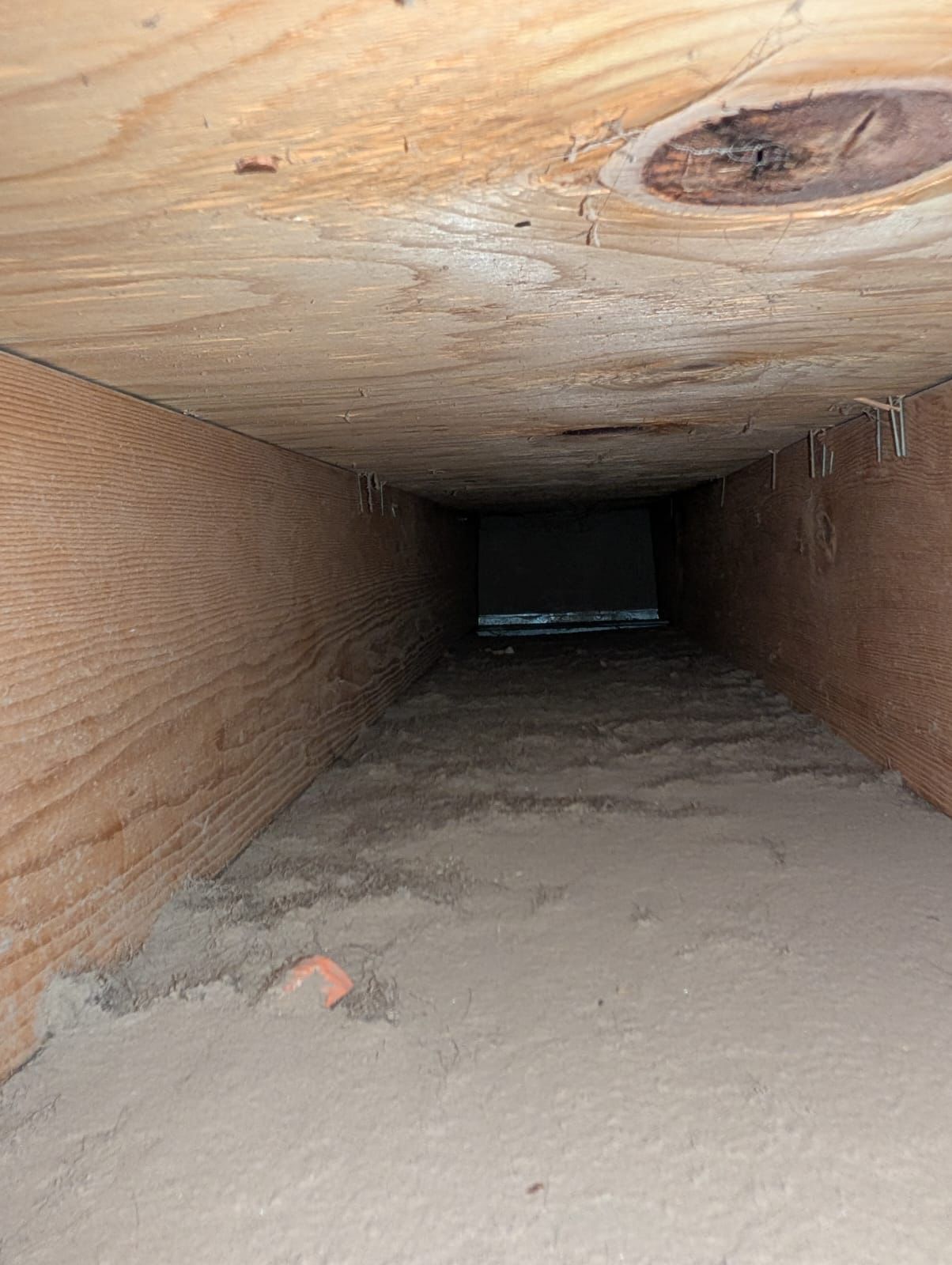
Standard vacuuming cannot clear systemic duct contamination. Dust, skin cells, and pet dander adhere to line walls and return plenums. Our truck-mounted negative air units seal systems under negative pressure, completely sweeping contaminants out and restoring your Local home’s indoor air quality to medical-grade standards.
Our Pricing Framework
- Professional Maintenance Cleaning
- HEPA Negative Air Extraction
- Improves Indoor Air Velocity
- Organic Antimicrobial Treatment
Our Cleaning Process
- System Assessment: We evaluate duct integrity and static pressure before beginning work.
- Negative Isolation: We create a negative pressure seal so dust cannot escape into living quarters.
- Rotary Agitation: High-torque whips strip line walls clean without damaging the flex material.
What We Eradicate
Frequently Asked Questions
We generally recommend professional air duct cleaning every 3 to 5 years. However, homes with indoor pets, recent renovations, high local pollen counts, or residents with asthma or allergies may benefit from more frequent cleanings to maintain optimal indoor air quality.
Not at all. We use a high-powered, negative air pressure extraction system combined with strict HEPA filtration. This ensures that all dust, mold, and debris is pulled directly into our containment units rather than being blown out of the registers, keeping your Local living spaces completely clean during and after the service.
Yes, it often does. When ducts are clogged with heavy dust and debris, your HVAC system has to work harder to push air through the restricted space. Removing this buildup restores proper airflow, allowing your system to heat and cool your home more efficiently, which reduces run times and energy consumption.
Dryer Vent Cleaning
Fire Prevention & Airflow Optimization for Local Homes
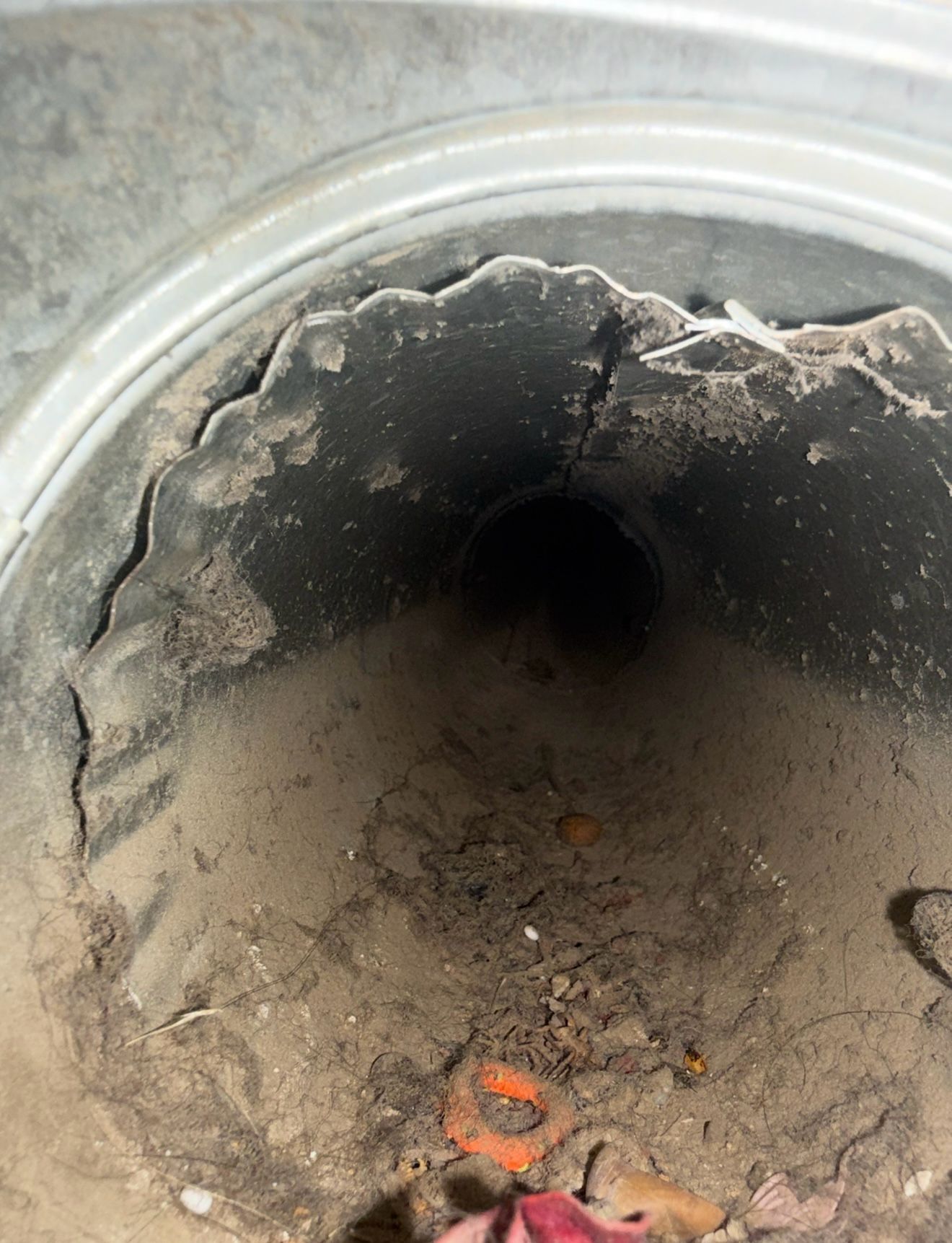
Clogged dryer vents are among the top causes of residential fires in Local. Over time, combustible lint escapes secondary traps and chokes the exhaust line, causing overheating and dramatically extending your laundry drying times.
Our Pricing Framework
- Full Line Mechanical Rotary Sweep
- Prevents House Fire Hazards
- Cuts Drying Time in Half
- Reduces Energy Bills
Warning Signs You Need Service
- Multiple Cycles: Clothes take more than one cycle to dry completely.
- Excessive Heat: The dryer body or laundry room becomes dangerously hot.
- Burning Smell: A hot, musty, or burning smell when the machine is running.
- No Flapper Movement: The exterior vent cover doesn’t open when the dryer is on.
The Process
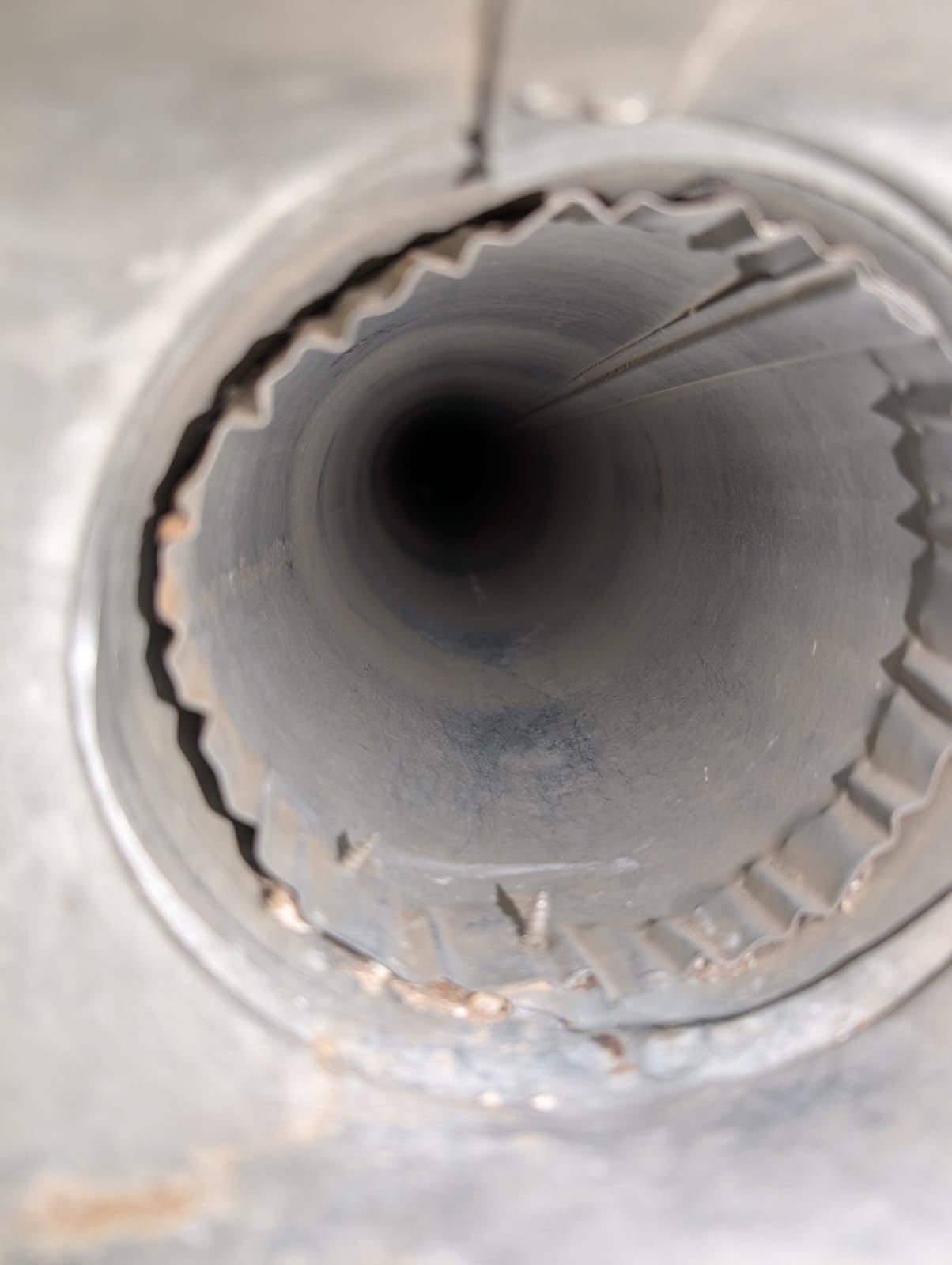
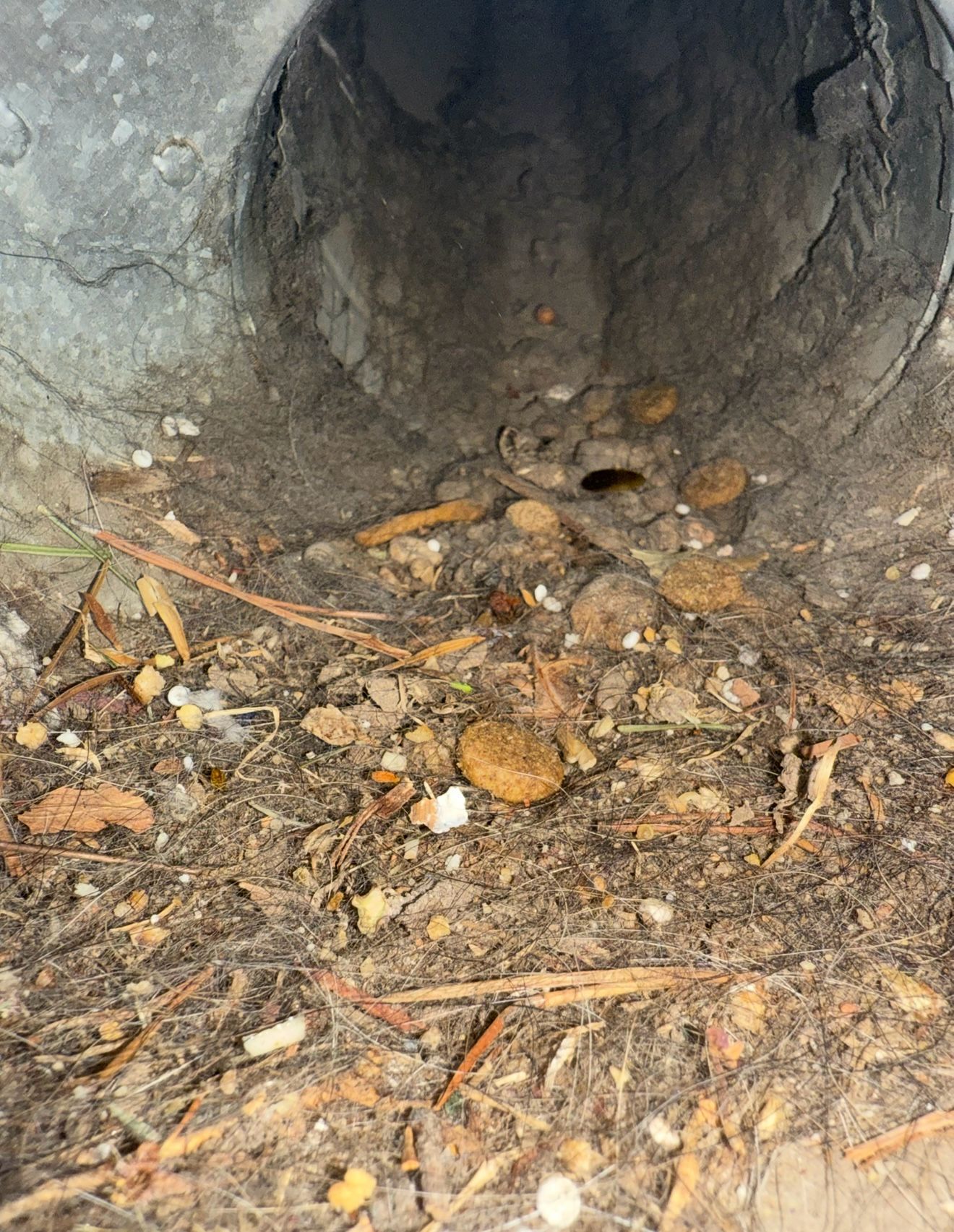
We use pneumatic whips and high-powered extraction to purge trapped lint across the entire vent line, from the wall transition box to the roof or sidewall cap. We conclude by testing the velocity of the exhaust air to ensure the system is completely clear.
Frequently Asked Questions
For optimal safety and appliance efficiency, fire safety experts and appliance manufacturers recommend having your dryer vent exhaust line professionally swept and inspected at least once a year. Households that do large volumes of laundry or have heavy pet hair may need it twice a year.
While cleaning the lint trap after every load is crucial, the trap only catches about 80% of lint. The remaining lint bypasses the filter and accumulates inside the dryer cabinet and the long exhaust line leading outside. This deep buildup requires professional rotary sweeping to fully remove.
Roof-vented dryers are particularly prone to clogging because the dryer has to push heavy, wet lint vertically against gravity. Furthermore, roof caps have screens that easily get blocked by lint or bird nests. Our technicians are equipped to clean vertical lines and safely clear roof caps to restore full airflow.
Duct Repair & Replacement
Sealing Air Leaks & System Restructuring in Local
Deteriorated, unsealed, or crushed air ducts can leak up to 30% of your conditioned air into attics and crawlspaces. We repair torn flex ducts, seal plenums with mastic, and rebuild air pathways for optimal efficiency and balanced home cooling across Local properties.
Request Duct AssessmentFrequently Asked Questions
Common signs of duct leakage include unusually high utility bills, uneven temperatures between rooms (e.g., one room is freezing while another is hot), excessive dust buildup on surfaces, a whistling sound coming from vents, and feeling weak airflow when placing your hand over a register.
It highly depends on the condition and age of your system. Minor leaks, small tears, and disconnections can easily be fixed with mastic sealing and new collars. However, if the ductwork is extensively damaged, collapsed, over 15-20 years old, or plagued by heavy mold growth inside the insulation, a full or partial replacement is the most hygienic and cost-effective long-term solution.
This is a classic sign of improper duct sizing or severe air leaks along that specific branch line. The air pressure drops before the conditioned air can reach the furthest room. We can repair leaks or install larger duct runs and balancing dampers to push adequate air to those distant rooms.
UV Light Purification
Germicidal Coil Sterilization in Local
Damp AC coils are prime breeding grounds for mold and biofilm. Installing a high-output UV-C light system sterilizes the coil 24/7, destroying airborne pathogens, viruses, and bacteria before the air circulates into your living areas. AtmoVex brings this powerful commercial-grade technology to Local residential HVAC systems.
Schedule InstallationFrequently Asked Questions
Most high-quality UV-C bulbs are rated to last between 9,000 and 12,000 hours, which equates to about 1 to 2 years of continuous operation. Even if the light still appears to be glowing blue after a year, its germicidal intensity drops significantly. We recommend replacing the bulb annually to maintain maximum pathogen-killing power.
Yes, it is entirely safe. The UV-C light is installed entirely inside your enclosed HVAC ductwork or directly over the evaporator coil in the air handler. It operates completely out of sight and poses no UV exposure risk to your eyes or skin while effectively neutralizing airborne threats.
No. UV lights and air filters perform two different, complementary jobs. Your pleated air filter catches physical particulates like dust, dirt, and pet hair. The UV light handles microscopic biological threats like viruses, mold spores, and bacteria that are too small for standard filters to trap. Together, they provide total air purification.
Attic Insulation & Barriers
Thermal Envelope Optimization for Local Climates
Your Local attic acts as the thermal cap of your house. Proper attic insulation depth and radiant barriers prevent summer heat from radiating down into your rooms, taking the massive load off your AC unit and slashing electricity costs year-round.
Get Thermal AuditFrequently Asked Questions
For optimal energy efficiency, the Department of Energy recommends an R-value between R-38 and R-60 for most residential attics. Depending on the material used (fiberglass vs. cellulose), this generally translates to a depth of 10 to 16 inches of evenly distributed insulation across the attic floor.
A radiant barrier is a highly reflective aluminum foil material installed under the roofline. While regular insulation slows down conductive heat, a radiant barrier reflects up to 97% of radiant heat from the sun away from your home. In hot climates, pairing thick insulation with a radiant barrier is the ultimate defense against high cooling costs.
In many cases, yes. If your existing insulation is dry, mold-free, and hasn’t been contaminated by rodents or pests, we can blow new insulation directly on top of it to increase the overall R-value. However, if the old insulation is wet, compacted, or contaminated, we strongly recommend a full removal and sanitization before installing the new material.
HVAC System Tune-Up
Multi-Point Climate System Inspection in Local
Prevent unexpected system failures with routine seasonal maintenance. We inspect coils, check refrigerant levels, flush condensate lines, and test electrical components to ensure flawless operation.
Book Tune-UpFrequently Asked Questions
Our comprehensive multi-point tune-up includes inspecting and washing the outdoor condenser coil, checking the indoor evaporator coil, measuring refrigerant charge and subcooling, clearing the condensate drain line to prevent water leaks, tightening electrical connections, testing capacitors, and verifying thermostat accuracy.
Absolutely. A well-maintained system uses up to 20% less energy than a neglected one, which directly lowers your monthly utility bills. Furthermore, it helps catch a failing $20 capacitor before it blows out a $1,500 compressor, saving you from massive emergency repair costs.
We highly recommend bi-annual service: an AC tune-up in the spring to prepare for the heavy summer cooling load, and a heating/furnace inspection in the fall to ensure safe combustion and operation during the winter.
Chimney Sweeping & Creosote Removal
Protect Your Local Home from Chimney Fires
Creosote and soot buildup naturally occur when burning wood, dramatically increasing the risk of a dangerous chimney fire. Regular sweeping clears this highly flammable glaze, ensures proper draft ventilation, and keeps your home safe and warm.
Special Sweep Pricing
- Level 1 Visual Inspection Included
- Complete Creosote Removal
- Mess-Free Guarantee (HEPA vac)
- Restores Safe Draft Airflow
Our Sweeping Process
- Preparation: We lay down heavy drop cloths and set up industrial HEPA dust extractors to protect your living room.
- Brushing: We use high-speed rotary whips and custom brushes to scour the flue liner clean from top to bottom.
- Clearance: We meticulously vacuum out the smoke shelf, damper assembly, and firebox debris.
Dangers of Neglect
Frequently Asked Questions
The National Fire Protection Association (NFPA) recommends that chimneys, fireplaces, and vents be inspected at least once a year and cleaned as necessary. Heavy users should schedule a sweeping after burning roughly one cord of wood, or if you notice soot falling into the firebox.
No. We guarantee a mess-free process. We use commercial-grade HEPA vacuums running continuously during the sweeping process to capture falling soot and airborne dust before it can ever enter your living space. We also use extensive drop cloths around the hearth area.
Sweeping logs contain chemicals that can loosen some stage-one soot, but they cannot remove heavy, glazed creosote. More importantly, using a sweeping log causes the loosened soot to fall down onto the smoke shelf, creating a new blockage. Sweeping logs are not a substitute for a professional mechanical sweep and safety inspection.
Chimney Safety Inspections
Level 2 Video Scanning & Certification in Local
Not all chimney damage is visible from the firebox. Using advanced camera scanning equipment, we evaluate the entire interior flue liner for hidden cracks, moisture damage, and structural breaches that could leak deadly gases into your home.
Schedule Video InspectionFrequently Asked Questions
A Level 1 inspection is a visual check of the readily accessible portions of the chimney, usually performed during a routine sweep. A Level 2 inspection includes everything in Level 1, plus access to the roof, attic, and a full video camera scan of the interior flue liner to check for hidden structural damage.
The NFPA requires a Level 2 inspection upon the sale or transfer of a property, after an operational malfunction or chimney fire, following severe weather (like an earthquake or lightning strike), or if you are changing the type of fuel or appliance connected to the flue.
Yes. Our technicians will guide you through the live video feed as the camera descends the flue, pointing out any areas of concern, such as cracks, missing mortar joints, or heavy glaze buildup. We believe in total transparency.
Masonry & Chimney Repair
Tuckpointing & Structural Restoration in Local
Over time, Local rain, heat, and humidity erode the mortar joints and masonry of your chimney. We provide expert tuckpointing, firebox rebuilding, and chimney crown repairs to stop water leaks and restore the structural integrity of your home’s exterior.
Request Masonry EstimateFrequently Asked Questions
Tuckpointing is the process of safely grinding out deteriorated, crumbling mortar joints between your chimney’s bricks and replacing it with fresh mortar. You need it when old mortar begins to recede, crack, or fall out, as this leaves the entire structure weak and vulnerable to severe water leaks into your home.
That white powdery substance is called efflorescence. It occurs when water penetrates the porous masonry, dissolves natural salts inside the brick and mortar, and brings them to the surface as the water evaporates. It is a clear warning sign of a moisture problem that needs to be addressed and waterproofed.
Because the crown is at the very top of the chimney, it is almost impossible to evaluate from the ground. Signs of a cracked crown include water pooling in your firebox after rain, rust on the damper, or water stains on your ceiling near the fireplace. We use drones and roof access to thoroughly inspect the crown.
Chimney Caps & Relining
Stainless Protection & Flue Upgrades in Local
An uncapped chimney is an open invitation for rain, debris, and nesting animals. We install custom stainless steel caps and top-sealing dampers. Additionally, if your clay flue is damaged, we provide lifetime-warrantied stainless steel chimney relining.
Get Cap & Liner PricingFrequently Asked Questions
Absolutely. A high-quality chimney cap is the most cost-effective preventative measure you can take for your home. It keeps rain out (preventing thousands of dollars in water damage), blocks birds and raccoons from nesting inside the warm flue, and acts as a spark arrestor to protect your shingles from stray embers.
A flue liner is the inner conduit of the chimney that safely channels smoke, extreme heat, and toxic gases outside. Original clay tile liners frequently crack due to extreme thermal shock (heat) or settling age. If cracked, we insert a heavy-duty, seamless stainless steel liner to safely restore the draft system, prevent carbon monoxide leaks, and meet current fire codes.
Unlike a traditional throat damper located just above the firebox, a top-sealing damper mounts at the very top of the chimney acting as both a cap and a damper. It uses a tight rubber gasket to seal the chimney shut when not in use, preventing the massive loss of heated and air-conditioned air, which significantly lowers your utility bills.
Fireplace & Gas Logs
Installation, Maintenance & Remodels in Local
Looking to upgrade an old wood burner or service your existing gas logs? We provide full burner cleaning, pilot light troubleshooting, premium gas log set sales, and complete aesthetic fireplace remodels (including sleek modern and rustic farmhouse styles).
Schedule Fireplace ServiceFrequently Asked Questions
Yes! As long as you have a gas line accessible near the firebox, we can cap the ash pit, run the necessary plumbing, and install a beautiful vented or vent-free gas log insert. The conversion process is straightforward and provides instant, hassle-free fires.
Gas logs and burner assemblies should be professionally serviced annually. We clean the burners to ensure proper gas flow (removing spider webs and dust), inspect the pilot assembly and thermocouple, refresh the glowing ember material, and check for any dangerous gas leaks or carbon monoxide risks.
Vented logs look the most realistic with large, dancing yellow flames, but much of the heat escapes up the open chimney. Vent-free logs burn incredibly clean, requiring the damper to be closed, meaning 99% of the heat stays in the room. Vent-free is best for heating, while vented is best for aesthetics and ambiance.
Client Results
Verified feedback from homes and business owners using AtmoVex.
AtmoVex
Photos
Corporate History
Engineering cleaner indoor air systems in Local since 2005.
The Foundation
AtmoVex was established in Local with a mission to bring high-CFM negative pressure extraction and reliable chimney sweeping to residential properties.
Fleet Modernization
Upgraded our fleet with powerful truck-mounted extraction machinery generating industrial airflow velocities.
Service Expansion
Integrated commercial UV-C coil sanitation, chimney video scanning inspections, and masonry repair services.
The Climate Authority
Today, AtmoVex stands as the Local region’s leading indoor air quality and chimney safety authority.
Why Choose AtmoVex?
The science behind optimized indoor air and home safety for Local residents.
Anatomy of a Safe Home
- Certified HVAC & Chimney Technicians
- Zero Airborne Residue Process
- Commercial Grade Diagnostics
- Upfront Flat-Rate Estimates
The AtmoVex Guarantee
Zero risk. Total comfort and safety assurance.
Absolute Assurance
We stand by our Local engineering and chimney safety protocols. If you are not completely satisfied with the cleanliness or draft of your system, we will dispatch a technician to correct it immediately.
- 100% Quality Assurance Policy
- Mandatory Camera Walk-Through
Express Dispatch
Rapid response units for urgent vent cleaning, chimney safety, and duct repair.
Emergency Response Units in Local
Whether you have a severe dryer vent blockage, a smoking fireplace, or need urgent duct repairs, our fleet allows for express dispatch across most Local sectors.
- Priority Dispatch Routing
- Rapid System Diagnostics
Checking Grid…
Analyzing dispatch availability for Sector .
Dispatch Request
Secure your slot in the Local grid.